Common Mistakes to Avoid When Registering Your Startup
Common Mistakes to Avoid When Registering Your Startup in India. Learn key legal, tax, and compliance errors startups must avoid.
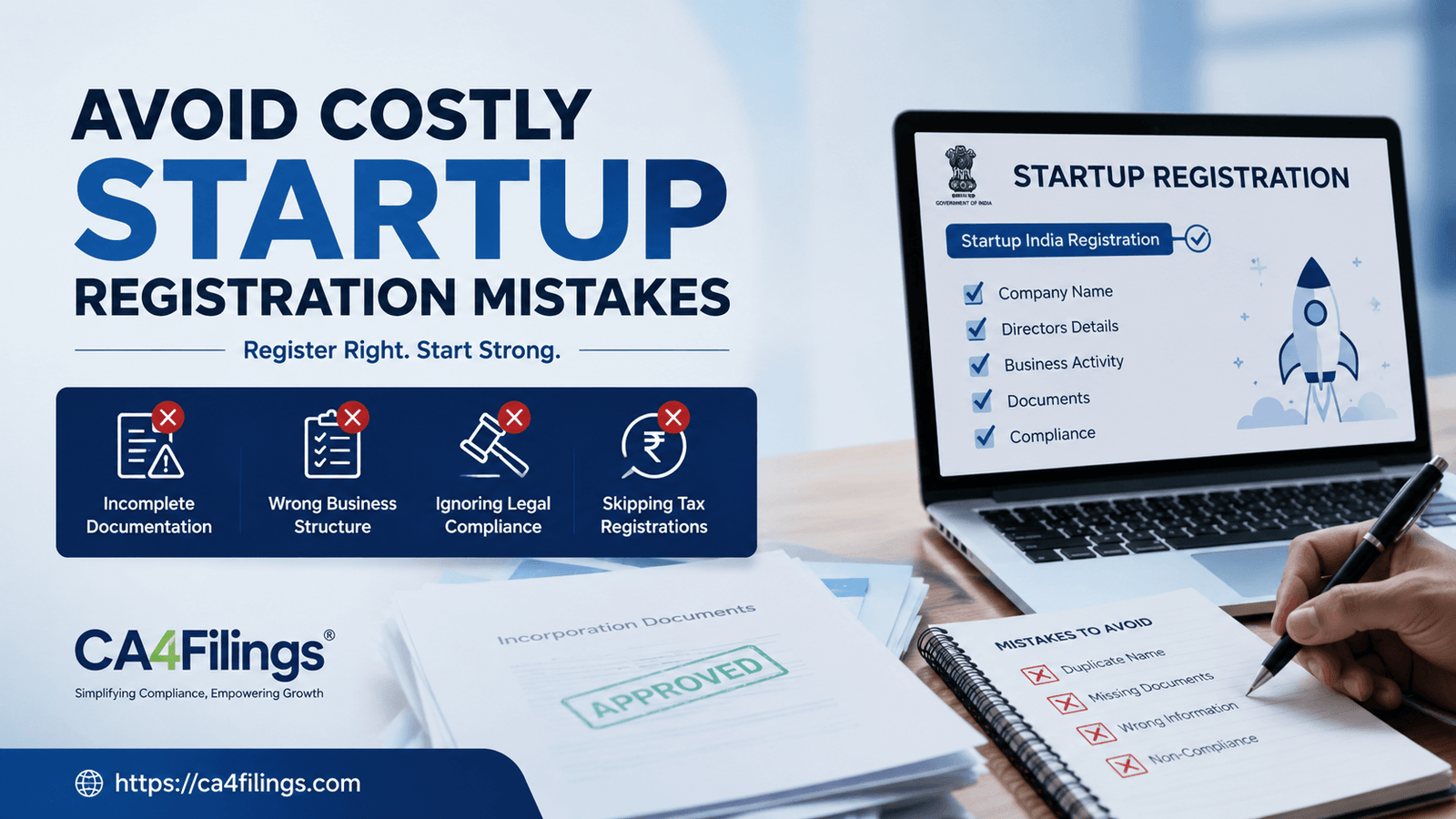
Starting a business is an exciting journey, but many entrepreneurs make avoidable errors during the registration process. At CA4Filings, we regularly guide startups that face delays, penalties, or legal complications simply because they were unaware of the proper procedures. Understanding the Common Mistakes to Avoid When Registering Your Startup can save you time, money, and unnecessary stress.
Whether you are launching a tech company, consultancy, e-commerce business, or manufacturing unit, proper registration is the first step toward building a legally compliant and scalable business. Many founders also miss out on government benefits because they fail to complete essential registrations like Startup India Registration correctly at the initial stage.
In this article, we will discuss the Common Mistakes to Avoid When Registering Your Startup, practical examples, and expert tips to help you start your entrepreneurial journey smoothly.
Choosing the Wrong Business Structure
One of the most common mistakes startups make is selecting an unsuitable business structure. Your business structure affects taxation, compliance, liability, fundraising, and operational flexibility.
Common Options Available in India
- Sole Proprietorship
- Partnership Firm
- LLP (Limited Liability Partnership)
- Private Limited Company
- One Person Company (OPC)
Why This Mistake Happens
Many entrepreneurs choose a structure based on low registration cost instead of long-term business goals.
For example:
- A startup planning to raise funding later should usually prefer a Private Limited Company.
- Freelancers or small traders may find LLP or Proprietorship more practical initially.
Expert Advice from CA4Filings
Before registration, consider:
- Future investment plans
- Tax implications
- Compliance requirements
- Number of founders
- Risk exposure
Selecting the wrong structure at the beginning may require costly restructuring later.
Ignoring Trademark Registration
Another major point under Common Mistakes to Avoid When Registering Your Startup is neglecting trademark protection.
Many startups spend heavily on branding, websites, and marketing but fail to secure their brand name legally.
Real-World Example
Imagine running your startup successfully for two years and later receiving a legal notice because another company already owns a similar trademark.
This situation can force you to:
- Change your business name
- Rebuild your brand identity
- Lose customer trust
What You Should Do
Register:
- Brand name
- Logo
- Tagline
Trademark registration protects your identity and prevents future disputes.
Using Incorrect or Incomplete Documentation
Documentation errors are one of the biggest reasons for registration delays.
Common Documentation Mistakes
- Spelling mismatch in PAN and Aadhaar
- Incorrect address proof
- Expired utility bills
- Wrong business activity details
- Improperly drafted MOA/AOA
Even small mistakes can result in rejection from the Ministry of Corporate Affairs (MCA).
Tips to Avoid This Problem
- Double-check all details before submission
- Use updated documents
- Ensure consistency across all records
- Take professional assistance for drafting legal documents
At CA4Filings, we always recommend reviewing every document carefully before filing.
Not Understanding Compliance Requirements
Many founders believe that registration is the final step. In reality, registration is only the beginning.
This is one of the most overlooked Common Mistakes to Avoid When Registering Your Startup.
Important Compliance Requirements
Depending on your business structure, you may need:
- GST registration
- ROC filings
- Income tax returns
- TDS compliance
- Accounting maintenance
- Annual audits
Ignoring compliance can lead to:
- Heavy penalties
- Director disqualification
- Business closure notices
Practical Insight
Some startups remain inactive after incorporation and assume no filings are required. However, even dormant companies must complete certain annual compliances.
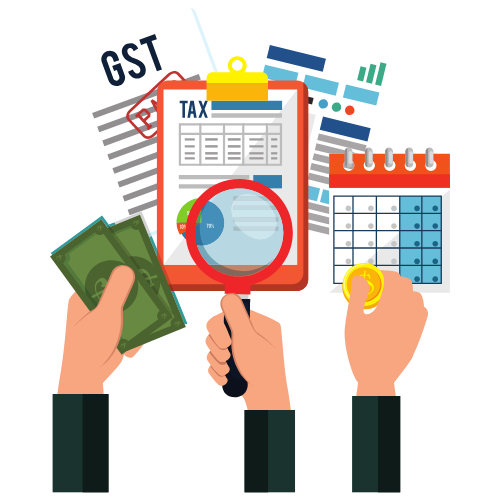
Delaying GST Registration
GST registration confusion is extremely common among startups.
When GST Registration Becomes Necessary
You may require GST registration if:
- Your turnover crosses the prescribed threshold
- You sell online through e-commerce platforms
- You operate interstate businesses
- You provide taxable services
Mistakes Startups Usually Make
- Registering too late
- Charging GST without registration
- Filing incorrect GST returns
- Selecting the wrong GST category
Why This Matters
GST non-compliance can result in:
- Interest and penalties
- Input tax credit loss
- Vendor disputes
Professional guidance during registration helps avoid future complications.
Ignoring Founders’ Agreements
Many startups begin with friends or family members and skip legal agreements due to mutual trust.
Unfortunately, this often creates disputes later.
Important Clauses Every Startup Should Define
- Equity ownership
- Profit-sharing ratio
- Roles and responsibilities
- Exit terms
- Decision-making authority
Why This Is Important
Without proper agreements:
- Conflicts can arise easily
- Investors may hesitate
- Legal disputes become complicated
A written agreement protects all founders and ensures business continuity.
Selecting an Incorrect Business Name
Choosing a business name without checking availability is another frequent issue.
Problems Startups Face
- MCA name rejection
- Trademark conflicts
- Domain unavailability
- Customer confusion
Smart Approach
Before finalizing your startup name:
- Check MCA database
- Search trademark records
- Verify domain availability
- Ensure branding uniqueness
Your business name should be legally available and market-friendly.
Underestimating Capital Requirements
Many entrepreneurs register startups without proper financial planning.
Common Financial Mistakes
- No emergency fund
- Poor budgeting
- Ignoring compliance costs
- No accounting system
Expenses Startups Often Forget
- Professional fees
- Government filing fees
- Tax liabilities
- Software subscriptions
- Employee costs
CA4Filings Recommendation
Prepare at least:
- 6–12 months operational budget
- Compliance expense estimates
- Tax planning strategy
Financial planning improves startup stability during the initial growth phase.
Not Maintaining Proper Accounting Records
Another critical point in Common Mistakes to Avoid When Registering Your Startup is poor bookkeeping.
Many startups delay accounting until tax notices arrive.
Risks of Improper Accounting
- Incorrect tax filings
- Cash flow confusion
- Investor distrust
- GST mismatches
Best Practices
Maintain:
- Sales records
- Expense invoices
- Bank reconciliations
- Payroll details
Using accounting software or professional accounting services can simplify operations significantly.
Relying Completely on Online Information
The internet contains useful information, but relying entirely on random online advice can create serious mistakes.
Why DIY Registration Becomes Risky
Laws and regulations frequently change. Many online articles are outdated or incomplete.
Common DIY Problems
- Wrong company classification
- Compliance failures
- Improper tax setup
- Incorrect filings
Better Approach
Consult experienced professionals who understand:
- MCA regulations
- Startup taxation
- Legal compliance
- Industry-specific requirements
Professional guidance reduces costly errors.
FAQs on Common Mistakes to Avoid When Registering Your Startup
What is the biggest mistake startups make during registration?
Choosing the wrong business structure is one of the most common and costly mistakes.
Is GST registration mandatory for every startup?
No. GST registration depends on turnover, business type, and operational activities.
Why is trademark registration important for startups?
Trademark registration protects your brand identity and prevents legal disputes in the future.
Can I register a startup without professional help?
Yes, but professional assistance helps avoid documentation errors, compliance issues, and future legal complications.
What happens if annual compliance is ignored?
Non-compliance can result in penalties, company strike-off, and legal notices from authorities.
Understanding the Common Mistakes to Avoid When Registering Your Startup is essential for building a legally compliant and financially stable business. From selecting the right structure to maintaining proper compliance, every step matters during the startup registration process.
Many entrepreneurs focus only on launching quickly and ignore the legal and financial foundation of their business. However, avoiding these mistakes early can save significant time, money, and stress later.
At CA4Filings, we help startups across India with accurate registration, compliance management, tax guidance, and business advisory services. Our experienced professionals ensure that your startup registration process is smooth, compliant, and future-ready.
If you are planning to start your entrepreneurial journey, connect with CA4Filings today and let our experts help you register your startup the right way.
Latest Updates
ca4filings.com Services






















-registration.png)