ISO Certification for Startups: Is It Worth the Investment?
ISO Certification for Startups: Is It Worth the Investment? Learn benefits, costs, compliance value, and growth impact for startups.
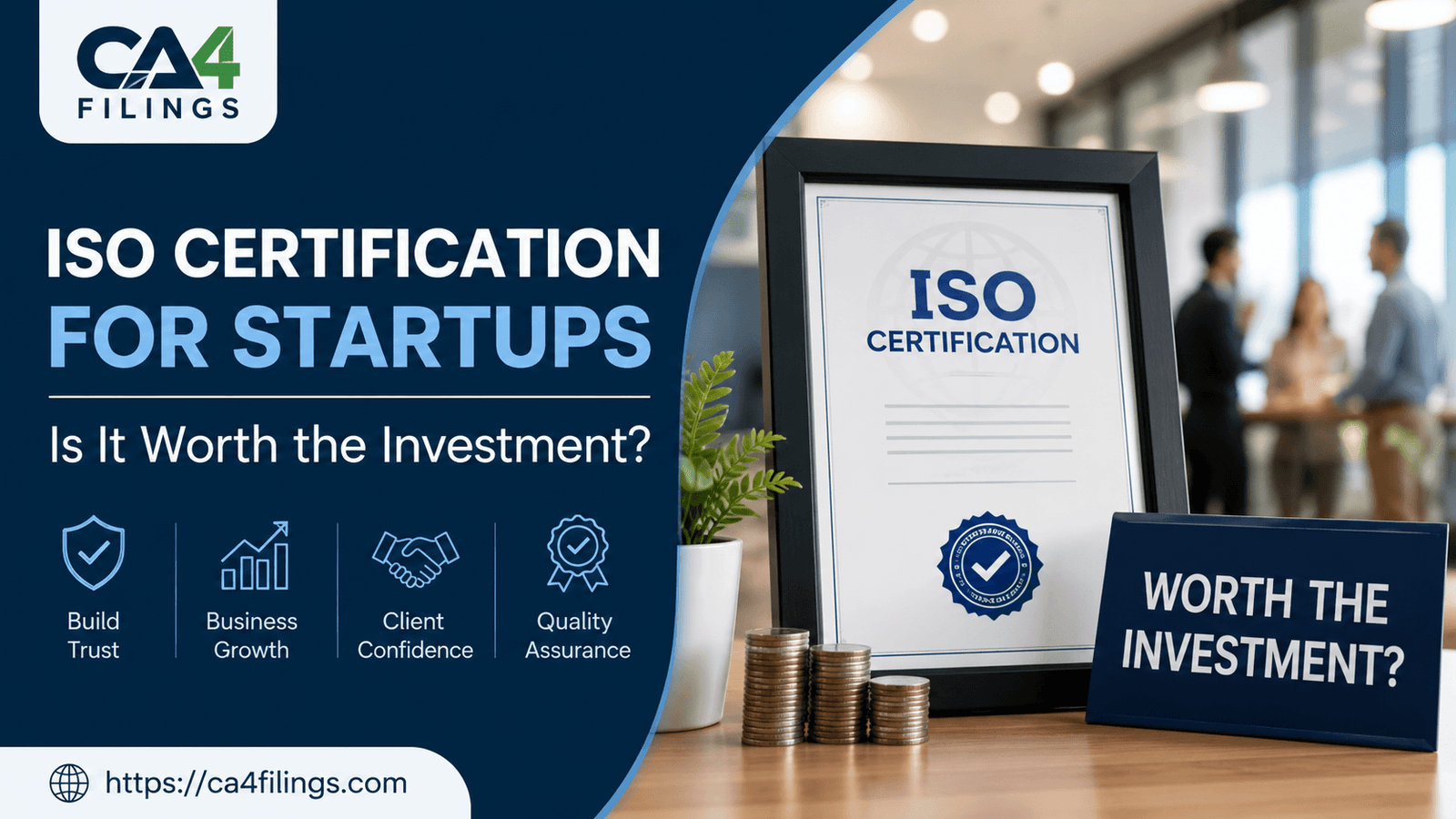
When you are running a startup in India, every rupee spent feels like a strategic decision. Founders often focus on product development, funding, hiring, and customer acquisition. Amid all these priorities, compliance and quality standards may seem secondary. However, one question many growing businesses ask today is: “ISO Certification for Startups: Is It Worth the Investment?”
At CA4Filings, we regularly guide startups and SMEs that want to build credibility and scale professionally. Many entrepreneurs initially view ISO certification as an unnecessary expense, but later realise how valuable it becomes when dealing with clients, investors, and government tenders. If you are considering ISO Certification for your startup, this article will help you understand whether the investment truly makes sense.
Understanding ISO Certification for Startups: Is It Worth the Investment?
ISO stands for the International Organization for Standardization. It provides globally accepted standards that help businesses improve quality, efficiency, data security, environmental responsibility, and customer satisfaction.
For startups, the most common certifications include:
- ISO 9001 – Quality Management System
- ISO 27001 – Information Security Management
- ISO 14001 – Environmental Management
- ISO 22000 – Food Safety Management
- ISO 45001 – Occupational Health and Safety
The real discussion around “ISO Certification for Startups: Is It Worth the Investment?” depends on your business goals, industry, and growth plans.
Why Startups Are Considering ISO Certification More Seriously
Indian startups today operate in a highly competitive ecosystem. Clients are more cautious, investors expect operational maturity, and corporate customers prefer vendors with recognised compliance standards.
Improved Business Credibility
One of the biggest advantages of ISO certification is trust.
Imagine two startups offering similar services. One has ISO certification while the other does not. Most clients naturally feel more confident working with the certified company because it demonstrates structured processes and quality commitment.
This is especially important for:
- IT startups
- SaaS companies
- Manufacturing startups
- Food businesses
- Export-oriented businesses
Better Chances of Winning Contracts
Many government tenders and corporate procurement processes require ISO-certified vendors. Without certification, startups may lose valuable business opportunities before even being considered.
For example, an Indian software startup bidding for enterprise contracts often faces mandatory compliance requirements like ISO 27001 for data security.
In such cases, “ISO Certification for Startups: Is It Worth the Investment?” becomes less of a question and more of a necessity.
Key Benefits of ISO Certification for Startups
Streamlined Internal Processes
Startups usually begin with informal systems. While this works initially, operational confusion increases as the business grows.
ISO certification helps establish:
- Standard operating procedures
- Documentation systems
- Quality checks
- Defined employee responsibilities
- Risk management processes
This creates better accountability and efficiency.
Enhanced Customer Confidence
Customers today value reliability. ISO-certified startups often appear more professional and dependable.
For example:
- A food startup with ISO 22000 gains customer trust regarding hygiene and safety.
- A tech startup with ISO 27001 reassures clients about data protection.
Investor Confidence
Investors do not only evaluate revenue numbers. They also assess operational discipline and scalability.
A startup with ISO certification signals:
- Strong management practices
- Process-driven operations
- Lower compliance risks
- Long-term growth mindset
This can positively influence funding discussions.
International Market Expansion
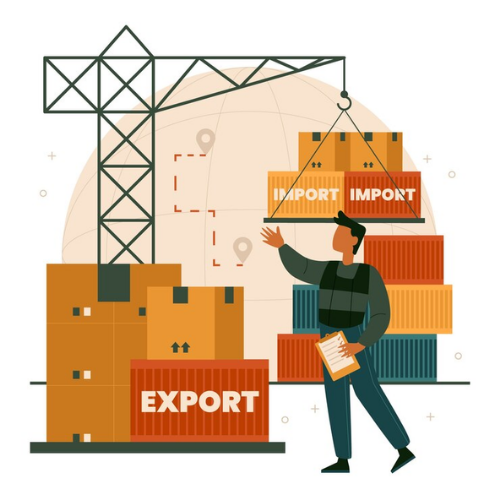
If your startup plans to export products or serve overseas clients, ISO certification can make international business easier.
Global companies often prefer working with certified vendors because the standards are universally recognised.
ISO Certification for Startups: Is It Worth the Investment Financially?
This is where most founders hesitate.
Understanding the Costs
The total cost depends on:
- Type of ISO certification
- Company size
- Number of employees
- Existing systems and documentation
- Certification body fees
For small startups, certification costs are generally manageable compared to long-term business benefits.
Hidden Costs of Not Having ISO Certification
Sometimes startups focus only on certification expenses but ignore the cost of missed opportunities.
Without certification, you may face:
- Loss of large clients
- Rejection in tenders
- Weak process management
- Higher operational errors
- Reduced customer confidence
In many cases, the return on investment becomes visible within the first few business opportunities secured after certification.
Which Startups Should Definitely Consider ISO Certification?
Technology and SaaS Startups
Data security has become a major concern globally. ISO 27001 can help build client confidence and improve cybersecurity practices.
Manufacturing Businesses
ISO 9001 helps maintain consistent product quality and operational efficiency.
Food and Beverage Startups
Food safety certifications can significantly improve brand trust and compliance readiness.
Export-Oriented Businesses
International buyers often expect globally recognised certifications before entering partnerships.
Healthcare and Pharma Startups
Compliance standards are critical in highly regulated sectors.
Common Misconceptions About ISO Certification
“It Is Only for Big Companies”
This is completely incorrect.
Many startups successfully obtain ISO certification during early growth stages to build a strong market reputation.
“The Process Is Too Complicated”
With professional guidance, the process becomes systematic and manageable.
Typically, the steps include:
- Choosing the right ISO standard
- Gap analysis
- Documentation preparation
- Process implementation
- Internal audit
- Final certification audit
“It Does Not Add Real Business Value”
This misconception usually disappears once startups start attracting better clients and improving operations after certification.
Practical Example: How ISO Certification Helped a Startup
Consider a small IT startup in Noida providing cloud solutions to corporate clients. Initially, they struggled to close enterprise deals because larger companies demanded security compliance documentation.
After obtaining ISO 27001 certification:
- Client trust improved
- Enterprise contracts increased
- Internal security systems became stronger
- Investor discussions became more positive
This is a practical example of why “ISO Certification for Startups: Is It Worth the Investment?” has a clear answer for many businesses.
Challenges Startups May Face During Certification
Although beneficial, startups should prepare for certain challenges.
Documentation Work
ISO certification requires proper documentation and record management. Startups with unstructured systems may need extra effort initially.
Employee Training
Teams must understand and follow standard procedures consistently.
Time Commitment
Certification is not completed overnight. Depending on readiness, it may take a few weeks to several months.
However, these are temporary efforts that create long-term business advantages.
Tips for Startups Planning ISO Certification
Choose the Right Standard
Do not apply for certifications unnecessarily. Select standards relevant to your industry and business goals.
Work With Experienced Professionals
Professional consultants can simplify the process and reduce delays.
Focus on Real Implementation
Avoid treating ISO certification as merely a certificate for display. The actual business value comes from implementing better systems.
Think Long-Term
ISO certification should be viewed as an investment in business growth, not just a compliance expense.
FAQs on ISO Certification for Startups: Is It Worth the Investment?
Is ISO certification mandatory for startups in India?
No, ISO certification is generally voluntary. However, many industries and clients strongly prefer certified businesses.
How much time does ISO certification take?
The timeline depends on the business size and preparedness. Most startups complete the process within a few weeks to a few months.
Can small startups afford ISO certification?
Yes. Certification costs are usually affordable compared to the business benefits and opportunities it creates.
Which ISO certification is best for startups?
It depends on your business type. ISO 9001 and ISO 27001 are among the most common for startups.
Does ISO certification help in funding?
Yes. Investors often view certified startups as more organised and scalable.
ISO Certification for Startups: Is It Worth the Investment?
After evaluating the benefits, operational improvements, customer trust, and growth opportunities, the answer to “ISO Certification for Startups: Is It Worth the Investment?” is yes for most serious and growth-focused businesses.
While certification involves time and financial investment, the long-term advantages usually outweigh the initial costs. Startups that adopt professional systems early often scale faster and build stronger credibility in the market.
At CA4Filings, we help startups across India simplify the ISO certification process with expert guidance, documentation support, and end-to-end assistance. Whether you are planning to improve business credibility, secure enterprise clients, or streamline operations, our experts can help you choose the right certification and complete the process smoothly.
Get in touch with CA4Filings today and take the next step toward building a stronger, more trusted startup brand.
Latest Updates
ca4filings.com Services





















-registration.png)