IEC Registration for Freelancers: Opportunities and Challenges
Discover how IEC Registration for Freelancers: Opportunities and Challenges impacts your global growth. Learn benefits, and expert tips from CA4Filings.

The Indian freelancing landscape has shifted dramatically over the last few years. What started as a side hustle for many has transformed into a robust, full-time engine of self-employment. Today, a talented software developer in Bengaluru, a graphic designer in Mumbai, or a content strategist in Delhi isn't just looking for local clients; they are actively competing on a global stage. As an independent contractor, tapping into a foreign market offers massive work flexibility, incredible professional development, and the chance to earn in stronger foreign currencies. When we look deeply at IEC Registration for Freelancers: Opportunities and Challenges, it becomes obvious that legal structures lay the foundation for sustainable international freelancing.
However, with great international experience comes the responsibility of legal compliance. Many Indian freelancers assume that cross-border billing only requires a PayPal account or a local bank line. But the moment you start regularly exporting services or digital products, the Directorate General of Foreign Trade (DGFT) enters the picture. This is why an Import Export Code becomes vital. For those navigating this cross-border journey, understanding the nuances of IEC Registration for Freelancers: Opportunities and Challenges is the first major step toward building a sustainable global business.
At CA4Filings, we regularly consult with independent professionals who are confused about whether a solo operator truly needs an import-export license. If you want to legally receive international payments without facing compliance hurdles from your bank or tax authorities, obtaining an IEC Registration is highly recommended. Let us break down everything you need to know about scaling your freelancing practice globally while staying perfectly aligned with Indian laws.
Unpacking IEC Registration for Freelancers: Opportunities and Challenges
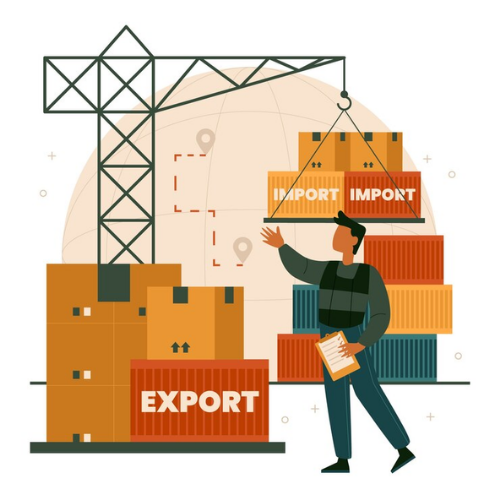
To understand the core of IEC Registration for Freelancers: Opportunities and Challenges, we must first look at what an IEC actually is. An Import Export Code (IEC) is a unique 10-digit code issued by the DGFT, Ministry of Commerce. While traditionally associated with large shipping containers and physical goods, the definition of "export" under Indian trade policy explicitly includes the export of services.
When you provide a line of code, a marketing strategy, or architectural designs to a client in the US, Europe, or Australia, you are legally an exporter of services. Therefore, looking closely at IEC Registration for Freelancers: Opportunities and Challenges helps solo entrepreneurs weigh the regulatory effort against the expansive growth it unlocks.
The Bright Side: Major Opportunities and Benefits
Taking the plunge and formalizing your cross-border operations opens up a world of professional advantages. Analyzing IEC Registration for Freelancers: Opportunities and Challenges highlights several positive shifts for your brand:
1. Seamless Business Expansion and Foreign Market Access
An IEC acts as your passport to the global business ecosystem. Instead of limiting your job prospects to local platforms or domestic clients, you can pitch directly to international enterprises. This expanded reach allows you to break free from local pricing stagnation and command international market rates.
2. Streamlined Banking and Inward Remittances
Have you ever had an international wire transfer put on hold by your bank? Indian banks are bound by strict RBI guidelines regarding foreign exchange. When large sums arrive from abroad, banks routinely demand a purpose code and proof of export. Having a valid registration makes this process smooth. It proves to financial intermediaries that your inward remittance is a legitimate business transaction, eliminating unnecessary delays.
3. Access to Government Incentives and Export Benefits
The Government of India actively promotes exports through various schemes like the Service Exports from India Scheme (SEIS) and other duty credit scrips. While these policies evolve, having an active registration ensures you are eligible for any tax rebates, subsidies, or export promotion incentives that the government introduces for the service sector.
4. Enhanced Credibility and Professional Development
When pitching to premium overseas clients as an independent contractor, presenting a formalized business structure matters. Listing an official registration number on your invoices sends a strong signal that you are a legitimate corporate entity, not an informal hobbyist. This boosts trust, assists in high-value networking, and enhances long-term employment options if those clients eventually want to transition you into full-time global roles.
The Flip Side: Key Challenges and Compliance Realities
While the opportunities are vast, an honest look at IEC Registration for Freelancers: Opportunities and Challenges requires acknowledging the hurdles. Managing an independent business means balancing your core creative or technical work with operational responsibilities.
1. Understanding Self-Employment Taxes and GST
Many freelancers get confused between their IEC, PAN, and GSTIN. It is important to know that an IEC does not replace your tax obligations. Exporting services is technically treated as a "zero-rated supply" under GST, but to claim this benefit legally, you must either pay GST and claim a refund or file a Letter of Undertaking (LUT) beforehand. Keeping up with self-employment taxes and filing seasonal returns can be overwhelming without professional guidance. This tax friction is a major point of discussion when evaluating IEC Registration for Freelancers: Opportunities and Challenges.
2. Keeping Up with Industry Regulations
Foreign exchange laws are dynamic. The Reserve Bank of India (RBI) and the Foreign Exchange Management Act (FEMA) have strict timelines within which foreign currency must be realized and bucketed into your local account. Missing these timelines or failing to maintain proper electronic Foreign Inward Remittance Certificates (e-FIRC) can attract penalties under Indian trade laws.
3. Administrative Overhead and Costs
As a freelancer, you wear all the hats—CEO, worker, accountant, and compliance officer. Taking time out to register on the DGFT portal, uploading documentation, tracking digital signature certificates (DSC), or paying processing fees adds to your administrative overhead. For someone focused entirely on execution, this documentation drill can feel like a distraction from core income-generating activities.
Step-by-Step Guide to Getting Your Registration Done
If you have weighed the pros and cons of IEC Registration for Freelancers: Opportunities and Challenges and are ready to take your business global, the process can be completed systematically. Here is the path to securing your code:
Step 1: Document Preparation: Gather your PAN card, Aadhaar card, a canceled cheque from your business/individual bank account, and proof of address (like an electricity bill or rent agreement).
Step 2: DGFT Portal Access: Register on the official website of the Directorate General of Foreign Trade using your mobile number and email ID.
Step 3: Application Filing: Complete the online application form ANF-2A. Ensure your name and bank details exactly match your PAN card to avoid rejection.
Step 4: Fee Payment: Pay the nominal government application processing fee through the integrated online payment gateway.
Step 5: Issuance: Once processed and verified by the DGFT authorities, your electronic IEC (e-IEC) is generated automatically and sent to your email.
Expert Strategies for Freelancers to Overcome Hurdles
To maximize your international experience without getting bogged down by administrative stress or the complexities of IEC Registration for Freelancers: Opportunities and Challenges, consider these practical tips from our team at CA4Filings:
Automate Invoicing: Use professional invoicing software that supports multiple currencies, automatic tax calculations, and clearly displays your regulatory numbers.
Maintain a Separate Bank Account: Even if you operate as a sole proprietor, keeping a dedicated current account for your international freelancing income makes tracking foreign inward remittances vastly simpler.
Collect Your FIRCs: Never forget to request your Foreign Inward Remittance Certificate (FIRC) from your bank for every overseas transfer. This is your ultimate legal proof that the money received was an export earning.
Frequently Asked Questions
Is IEC mandatory for freelancers offering software or consulting services?
If you are regularly exporting services and want to claim export benefits, streamline your bank compliance, or file an LUT under GST for zero-rated taxes, having an IEC is highly beneficial and often expected by banking partners to clear foreign funds smoothly.
Can a sole proprietor apply for this registration using a personal PAN?
Yes, absolutely. Since a sole proprietorship is not a separate legal entity from the individual, you can easily apply using your personal PAN card and individual bank account details.
Does an import-export code have a lifetime validity?
Yes, once issued, an IEC has lifetime validity. However, according to recent DGFT regulations, every holder must update their details on the DGFT portal annually between April and June, even if there are no changes in the information.
What happens if I do not update my details annually?
If you fail to complete the annual renewal/update on the DGFT portal during the prescribed window, your code will be deactivated. It can, however, be reactivated easily upon successful online update and verification.
Partner with CA4Filings for Global Success
Embracing international markets is an incredible path toward professional development and financial freedom. When you balance the scale of IEC Registration for Freelancers: Opportunities and Challenges, it becomes abundantly clear that the long-term benefits of credibility, easy banking, and market expansion far outweigh the initial compliance setup hurdles.
Don't let regulatory paperwork slow down your entrepreneurial drive. Let the qualified experts at CA4Filings manage your legal compliance, GST filings, and registration requirements while you focus on delivering exceptional value to your global clients. Get in touch with CA4Filings today, and let's unlock your borderless potential!
Latest Updates
ca4filings.com Services
























-registration.png)