Freelancer's Handbook: Goods and Services Tax Filing for Tech Experts
Master goods and services tax filing as a tech freelancer. Learn about export benefits, LUT filing, and compliance in this expert guide from CA4Filings.
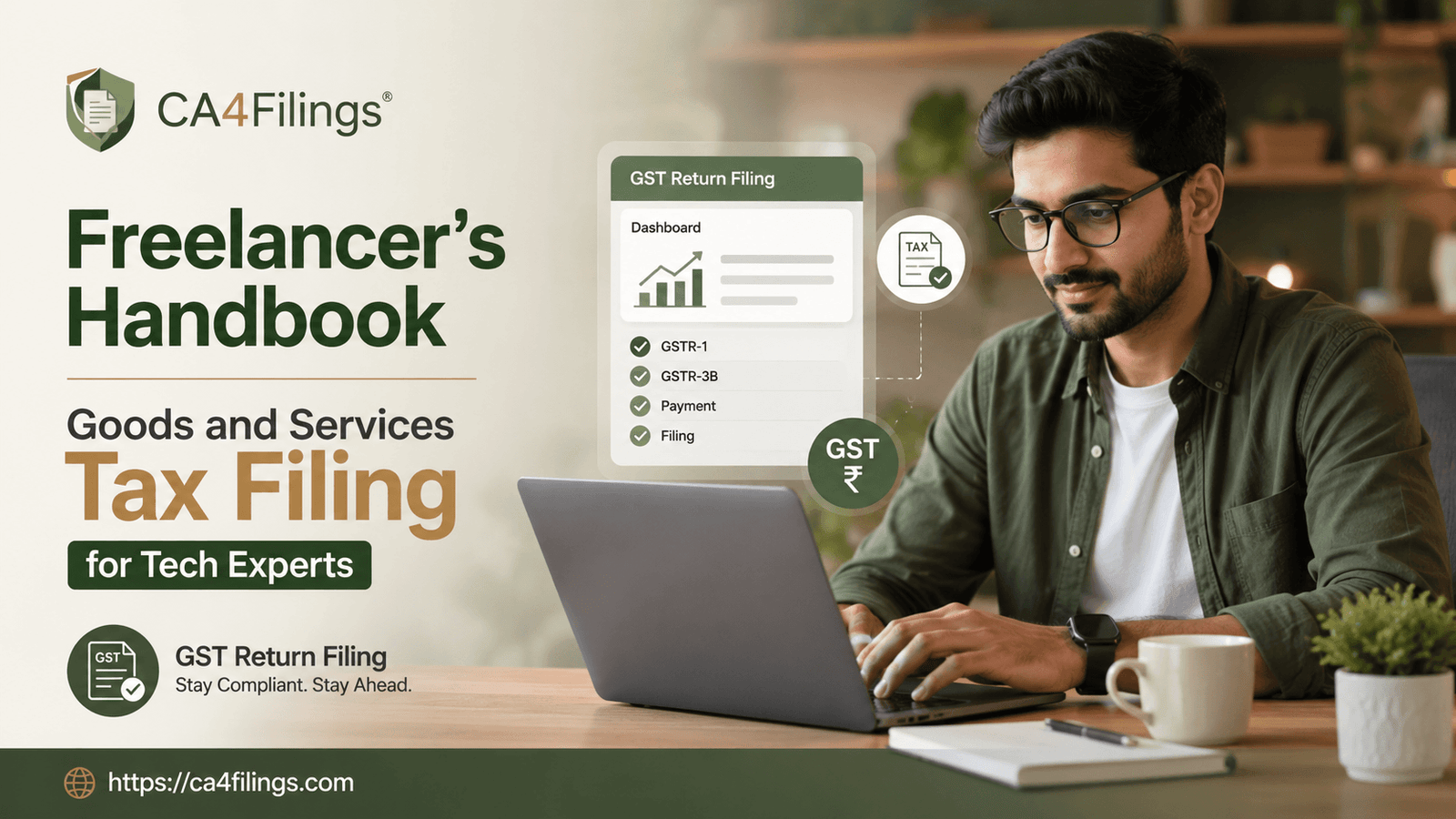
So, you’ve decided to take the leap into the world of tech freelancing. Whether you are coding for a startup in Berlin or providing consultancy for a firm in New York, the flexibility is fantastic. However, one area where many tech experts get stuck is goods and services tax filing. Navigating the complexities of Indian tax laws can feel like debugging a messy codebase, but once you understand the logic, it becomes much smoother. At CA4Filings, we help countless professionals simplify their GST Return Filing process, ensuring they stay compliant while they focus on their core expertise.
Whether you are a developer, a data scientist, or a UI/UX designer working with international clients, understanding your tax obligations is not just about compliance—it is about safeguarding your income.
Understanding Your GST Obligations as a Tech Freelancer
The primary confusion for most freelancers is whether they actually need to register for GST. In India, if your annual turnover exceeds ₹20 lakhs (or ₹10 lakhs in special category states), GST registration is mandatory. Even if you are below this limit, many tech freelancers choose to register voluntarily to claim Input Tax Credit (ITC) or to work with larger corporate clients who prefer dealing with GST-registered vendors.
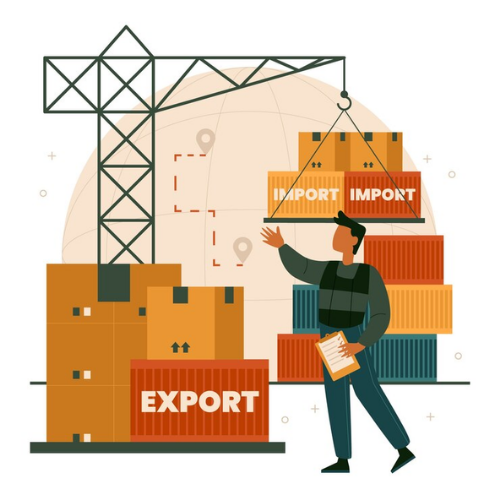
When you offer services to clients outside India, your work qualifies as a digital service export. Under current laws, this is treated as a zero-rated supply. This is a massive benefit for you, as it means you don't have to charge GST to your international clients, keeping your services competitive in the global market.
The Importance of LUT Filing Online
Since you are exporting services, you want to avoid paying IGST and then claiming a refund—a process that can block your working capital. This is where LUT filing online comes into the picture. A Letter of Undertaking (LUT) allows you to export services without paying IGST, provided you meet certain conditions.
Validity: An LUT is valid for one financial year.
Ease of Process: You can file it directly on the GST portal without needing a physical bank guarantee.
Compliance: Once filed, you must mention that the supply is made under LUT on your invoices.
At CA4Filings, we often see freelancers forget to renew their LUT, which leads to unnecessary complications. Always ensure your LUT is active before the new financial year begins.
Decoding Foreign Currency Invoicing and SAC Codes
When you raise an invoice for international clients, it must be robust. Apart from your standard details, your invoice must clearly state the foreign currency invoicing amount, the exchange rate used (usually the RBI reference rate), and the specific software export SAC (Services Accounting Code).
For most software development and IT consultancy services, the SAC code is 998313 or 998314. Using the correct code ensures that your goods and services tax filing is accurate and avoids scrutiny from tax authorities. Remember, if your services are deemed OIDAR services (Online Information and Database Access and Retrieval), the tax implications might differ, so always double-check your service classification.
Benefits of IGST Exemption for Tech Exporters
The IGST exemption on exports is a government initiative to boost the service sector. By properly documenting your export of services—specifically by proving that the payment is received in convertible foreign exchange—you stay eligible for these benefits.
To ensure your goods and services tax filing remains audit-proof, maintain the following:
Bank Realization Certificate (BRC): Proof that you received foreign currency.
Invoices: Must show that the place of supply is outside India.
Contracts: Keep a copy of your service agreement with the foreign client.
Frequently Asked Questions (FAQs)
1. Is GST mandatory for a tech freelancer earning less than ₹20 lakhs?
No, it is not mandatory if your annual turnover is below the threshold. However, registering voluntarily can help you claim credit for the GST you pay on professional expenses like hardware, software subscriptions, or coworking space rentals.
2. Can I claim a refund if I already paid IGST on exports?
Yes, you can. If you forgot to file your LUT and paid IGST on your export of services, you can file a refund claim under the "Export of services with payment of tax" category.
3. What if my client is in India, but the company is foreign?
If the client is based in India and the invoice is raised in INR, it is treated as a domestic supply, and GST must be charged at the applicable rate (usually 18% for IT services).
4. How often should I perform goods and services tax filing?
Usually, GSTR-1 (for sales/outward supplies) and GSTR-3B (summary of tax liability) must be filed monthly or quarterly, depending on your turnover and the scheme you opt for.
5. Why do I need professional help for GST?
Tax laws in India are dynamic. A slight error in an HSN/SAC code or a delay in goods and services tax filing can result in interest and penalties. Experienced CAs help you optimize your tax structure legally.
Stay Compliant with CA4Filings
Managing your own goods and services tax filing is possible, but it takes time away from your projects. Why get bogged down in paperwork when you could be focusing on growing your freelance career?
At CA4Filings, we specialize in helping tech experts like you navigate the intricacies of GST. From LUT filings to managing complex export documentation, we provide end-to-end support to keep your practice compliant and efficient. Don’t wait for a notice to arrive—let us help you build a solid tax foundation today.
Latest Updates
ca4filings.com Services
























-registration.png)